Welcome to My Corner of Wellness
I’m Nara, passionate about embracing a natural lifestyle to promote overall wellness. I believe in the healing power of nature and the importance of simple, mindful practices like walking in nature, breathing fresh air, soaking up the sunlight, staying hydrated, and eating whole, unprocessed foods to help prevent illness and live longer.
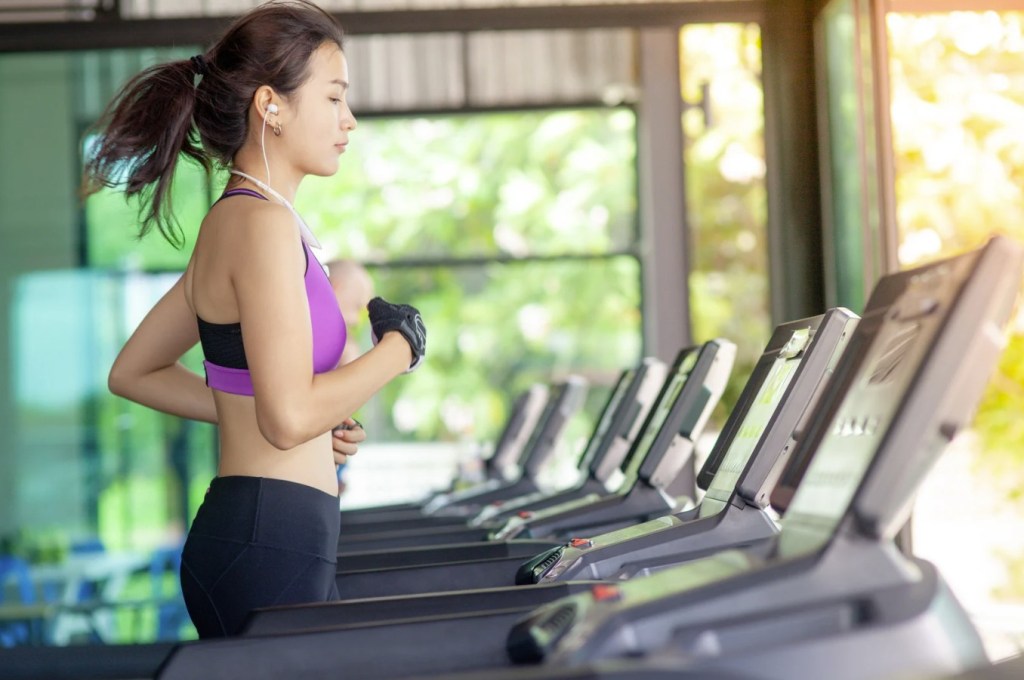
Fitness plays a huge role in my life. Whether it’s hitting the gym, burning calories, or challenging myself to walk 10,000 steps daily, I share my journey to inspire others to stay active and healthy. I firmly believe that a positive and curious mindset is key to overcoming life's obstacles—it's about staying motivated, never letting negativity take hold, and constantly learning and growing through reading, sharing experiences, and nurturing relationships.
As a Brazilian, I’m a huge fan of strong coffee (because who doesn’t need that energy boost?) and I sometimes like to get creative in the kitchen, preparing healthy meals. But above all, I love connecting with others, helping people live their best lives, and sharing the knowledge I’ve gathered along the way.
With a Bachelor's in Accounting and a Master’s in Business Administration, my professional background complements my wellness journey, and as an Amazon Associate, I’ve curated a selection of products to help you along your own path to better health.
Join me on this journey; let’s thrive together. Don’t forget to check out my shop on Linktree and Instagram for some of my favorite finds.
🧠 How Neurons Get Their Energy and How to Keep Your Brain Healthy
Taking care of your brain is one of the most powerful forms of self-care. Your brain controls everything — mood, focus, memory, productivity, and even your overall energy. For it to work well, your neurons need to be nourished and protected.
In this article, you’ll learn how neurons get their energy and, more importantly, how to keep your brain strong, young, and healthy.
🔬 How Neurons Get Their Energy
1. Glucose: the Brain’s Main Fuel
Neurons rely on glucose as their primary energy source. It comes from carbohydrates in your diet. But it’s not about eating more — it’s about stable, high-quality energy.
When glucose drops, you may experience: • mental fatigue • irritability • difficulty thinking • dizziness
2. Oxygen
Neurons need constant oxygen to function — even a brief interruption stops their activity. Movement, good breathing, and healthy circulation are essential for brain performance.
3. Essential Nutrients
Through blood flow, neurons receive a combination of vitamins and minerals that keep them healthy:
B vitamins → provide energy and protect the myelin sheath.
Omega-3 fatty acids → support cell membranes and synapses.
Magnesium → calms the nervous system.
Antioxidants → reduce inflammation and protect against aging.
Amino acids → form neurotransmitters like serotonin, dopamine, and GABA.
🌿 How to Keep Neurons Healthy
✔️ 1. Choose Foods That Nourish the Brain
Include these in your daily routine:
Fatty fish (salmon, sardines)
Avocado
Eggs
Nuts and seeds
Berries
Olive oil
Dark leafy greens
Dark chocolate (70%+)
Sweet potato or oats (stable energy)
✔️ 2. Avoid Sugar Spikes
Too much refined sugar inflames the brain and leads to mental fatigue. Choose complex carbs and fiber for steady energy.
✔️ 3. Prioritize Good Sleep
During deep sleep, your brain: • clears toxins • repairs neurons • strengthens memory
Poor sleep accelerates brain aging.
✔️ 4. Move Your Body
Exercise boosts blood flow and releases BDNF, a protein that strengthens and creates new neurons.
✔️ 5. Keep Learning
Neurons thrive when challenged. Read, learn, listen to good content, take classes — even 10 minutes a day keeps the brain young.
✔️ 6. Manage Stress
Chronic cortisol damages memory-related areas. Use deep breathing, prayer, meditation, or short pauses throughout the day.
✔️ 7. Stay Hydrated
Even mild dehydration reduces focus, memory, and mental clarity.
✔️ 8. Get Sun Exposure
Vitamin D supports the nervous system and improves mood.
Get fit, feel stronger, and build lasting habits before the holidays — no crash diets required.
🎯 Why These Viral Tips Work
Forget crash diets or all-day gym sessions. The latest weight-loss trends are about small, consistent actions that fit into real life. These hacks help you stay accountable, energized, and focused — without burnout or restriction.
Here are the top trending fitness and health hacks that both men and women are using to get results before Christmas.
💧 1. Keep a Water Bottle on You — Everywhere
Hydration is simple but powerful. Drinking enough water curbs cravings, supports digestion, and boosts metabolism. Carry a reusable bottle with you throughout the day and track your intake.
Try this: Add lemon, cucumber, or mint to your water. Aim to finish your first bottle by lunch and another before dinner.
Wearing fitted clothes helps maintain awareness of your body and posture. It’s not about vanity — it’s a subtle reminder to stay active and consistent.
Try this: Choose clothing that feels comfortable yet structured. Check your fit weekly to track real progress without obsessing over the scale.
🧘 3. Control Cravings with Action, Not Just Willpower
When cravings strike, take a pause. Often, hunger is triggered by stress or boredom — not real need. Redirect your focus with a quick activity like stretching, cleaning, or taking a short walk.
Pro Tip: Keep a short “reset list” of 5-minute activities you can do anywhere. It breaks the snacking habit loop and clears your head.
🏆 4. Start a Challenge with Friends
Accountability turns goals into habits. Whether it’s a 10,000-step challenge, a no-soda week, or daily push-ups, doing it with friends keeps motivation high.
Try this: Track progress in a shared app or spreadsheet. Friendly competition adds a fun, consistent push toward your goals.
This viral rule helps build early momentum: by noon, complete three small health wins — drink three cups of water, walk 3,000 steps, and eat a protein-rich meal. You’ll feel more productive instantly.
Pro Tip: Use smartwatch reminders or a checklist app. Staying consistent each morning sets the tone for your day.
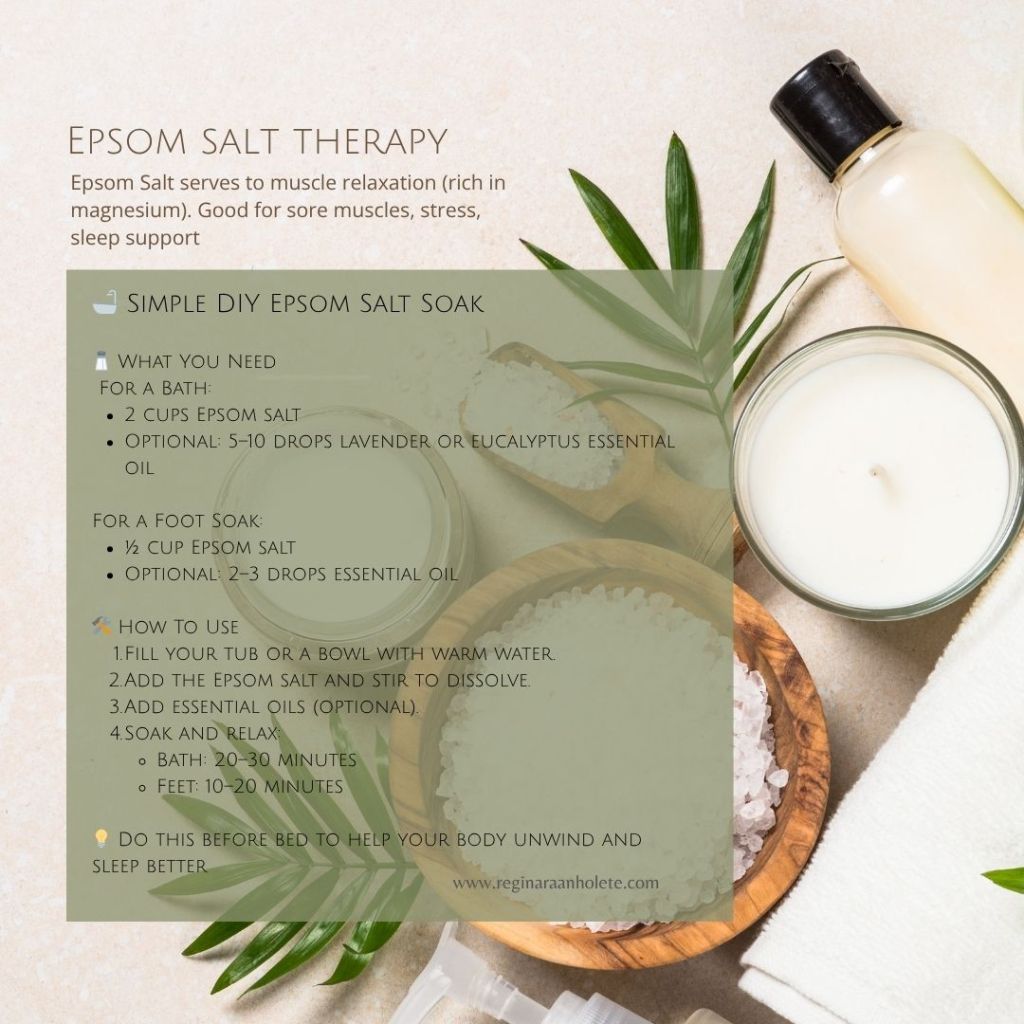
🛁 6. Recover and De-Stress with an Epsom Salt Bath
Recovery is key. Epsom salt baths help relax sore muscles, reduce inflammation, and ease bloating. They’re a great way to unwind while supporting physical recovery.
Try this: Mix two cups of Epsom salt into warm water. Soak for 15–20 minutes after workouts or before bed.
Combining protein and fiber keeps you full, builds muscle, and stabilizes blood sugar. That means fewer cravings and more steady energy throughout the day.
Try this: Include lean protein (like eggs, chicken, tofu, or beans) and fiber sources (like veggies or oats) at each meal.
😴 8. Sleep and Stress Less to Burn More
Rest isn’t lazy — it’s productive. Poor sleep raises cortisol and increases cravings. Prioritize 7–8 hours of rest and unplug before bed to boost recovery and fat loss.
Try this: Create a calm routine: herbal tea, stretching, and a no-screen rule 30 minutes before bed.
You don’t need to go extreme before Christmas. Focus on small, consistent habits that build over time — hydration, movement, rest, and recovery. By the holidays, you’ll look and feel stronger without burnout.
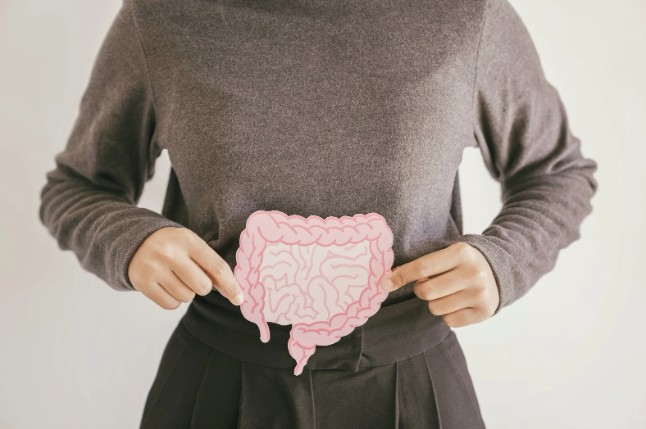
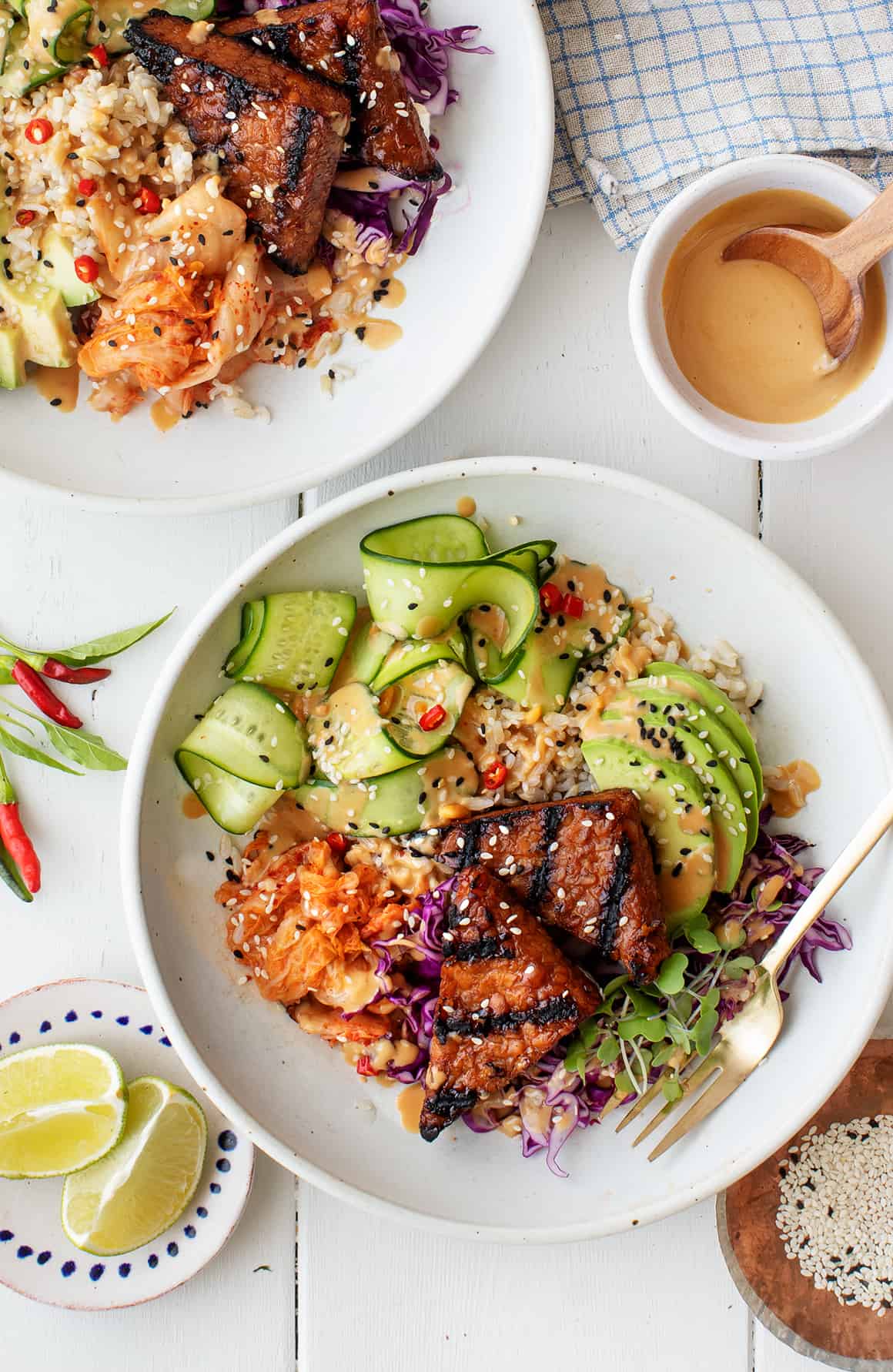
Discover how natural probiotics like sauerkraut, kimchi, and chimichurri can improve digestion and gut health. Learn their benefits and try a delicious vegan probiotic bowl recipe with recommended Amazon products.
🌱 What Are Natural Probiotics?
Probiotics are live microorganisms that promote gut health when consumed regularly. They help balance the gut microbiome, aid digestion, and strengthen the immune system. Fermented foods are among the best natural sources of probiotics because they also provide enzymes, vitamins, and prebiotic fiber.
🥬 The Power of Fermented Foods
Fermentation has been used for centuries to preserve food and enhance flavor. During fermentation, beneficial bacteria convert sugars into lactic acid — creating tangy, probiotic-rich foods that support gut health.
Let’s look at three probiotic heroes: Sauerkraut, Kimchi, and Chimichurri.
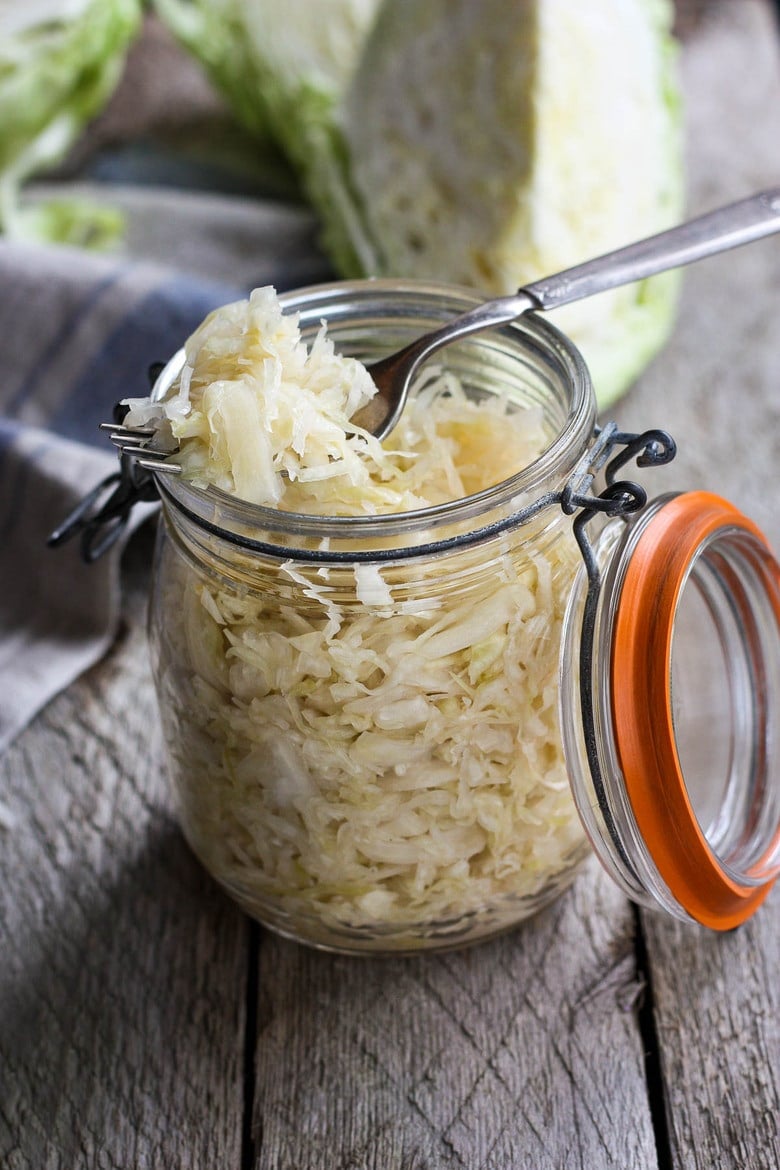
🥢 1. Sauerkraut (Chucrut)
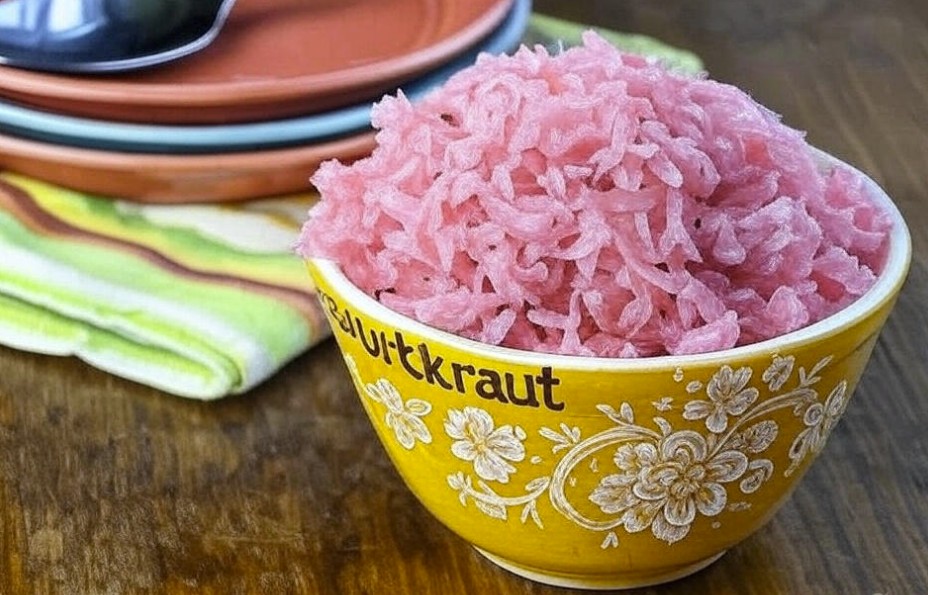
Traditional sauerkraut — simple, tangy, and probiotic-rich.
Origin: Germany Main ingredient: Shredded cabbage fermented with salt Benefits: Aids digestion, supports immunity, rich in vitamins C and K.
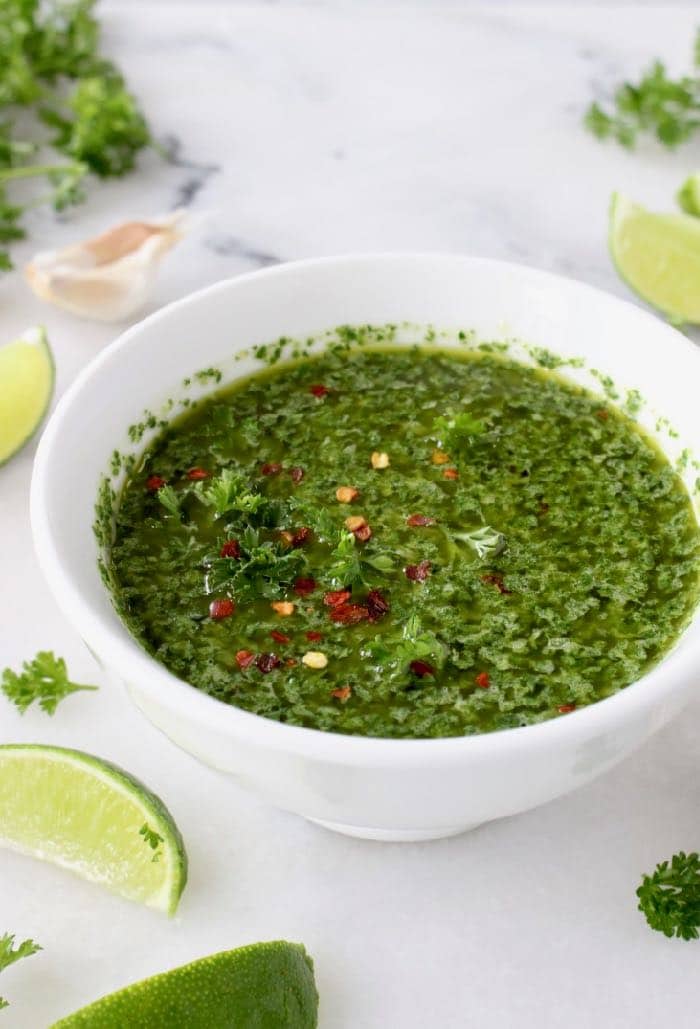
Fermented chimichurri — a probiotic twist on a classic Argentine sauce.
Traditional chimichurri isn’t fermented, but you can create a probiotic version by letting it sit covered at room temperature for 12–24 hours before refrigerating.
Fermented foods are generally safe, but if you have digestive sensitivities or immune-related conditions, start slowly and consult your healthcare provider. Not all “fermented” supermarket products contain live cultures — look for unpasteurised or raw on the label.
🌼 Final Thoughts
Adding probiotic-rich foods like sauerkraut, kimchi, and fermented chimichurri to your diet can improve digestion, immunity, and overall gut health — all while adding delicious flavor and color to your meals. Try the vegan probiotic bowl recipe above and see how nourishing gut care can be!
Disclaimer: This article is for informational purposes only and not medical advice. Always consult your healthcare provider before making major dietary changes.
⚖️ Affiliate Disclosure
As an Amazon Associate, I earn from qualifying purchases. This means that if you click on some of the product links in this post and make a purchase, I may receive a small commission — at no extra cost to you. I only recommend products I personally use, trust, or believe will add value to my readers.
🌿I hope you enjoyed. Have a Healthier natural life!💫
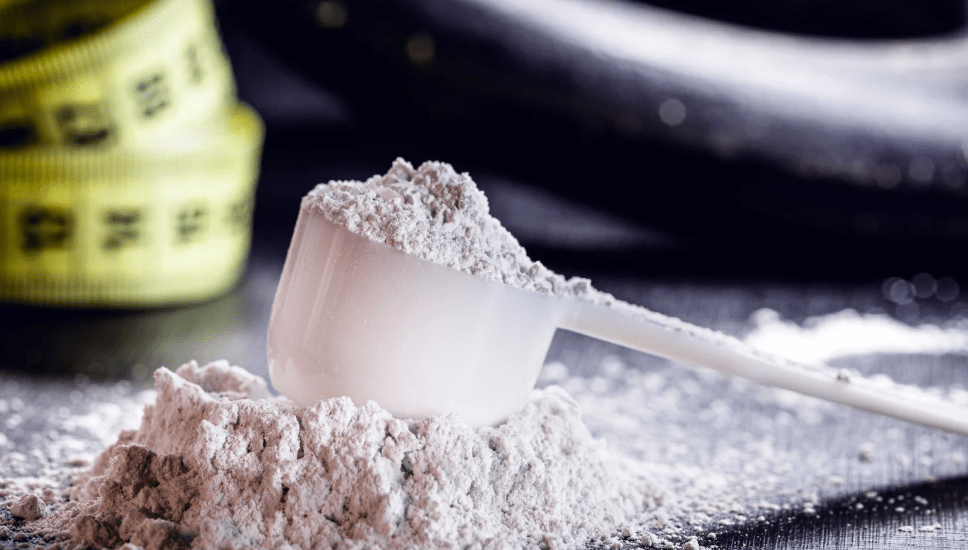
Creatine monohydrate is one of the most studied supplements in sports nutrition. It’s not just for bodybuilders — it benefits both men and women by supporting performance, muscle growth, recovery, brain health, and even longevity.
In this post, we’ll explore all the benefits, share stories of famous athletes who use creatine, cover safe dosing, and answer common questions.
What Is Creatine?
Creatine is a compound produced naturally in the body and found in foods such as meat and fish. Your muscles store it as phosphocreatine, which helps regenerate ATP (adenosine triphosphate) — the primary energy currency for high-intensity activity like lifting, sprinting, and HIIT. Supplementing increases creatine stores, enabling better workouts, faster recovery, and improved performance.
Benefits of Creatine for Men and Women
Strength & Power: Supports heavier lifts, sprints, and explosive movements. Research shows creatine can improve strength by 8–14%.
Muscle Growth: Enhances training volume and intensity; promotes cell hydration for muscle hypertrophy.
Recovery: Reduces muscle breakdown and speeds recovery between workouts.
For Women: Improves lean muscle without “bulk,” supports bone health, boosts energy and focus.
For Men: Enhances power and performance, helps preserve testosterone indirectly by improving recovery.
Brain Benefits: Supports memory, focus, and reduces mental fatigue.
Linford Christie (Olympic Sprinter): Used creatine before winning gold in the 1992 Olympics 100m sprint.
Colin Jackson & Sally Gunnell: British track stars who incorporated creatine in elite training phases.
Mark McGwire (Baseball): Reported to have used creatine alongside legal supplements during his MLB career.
Michael Johnson (Track & Field Legend): Cited among elite athletes benefiting from creatine for sprinting and explosive power.
Dosage & Safety
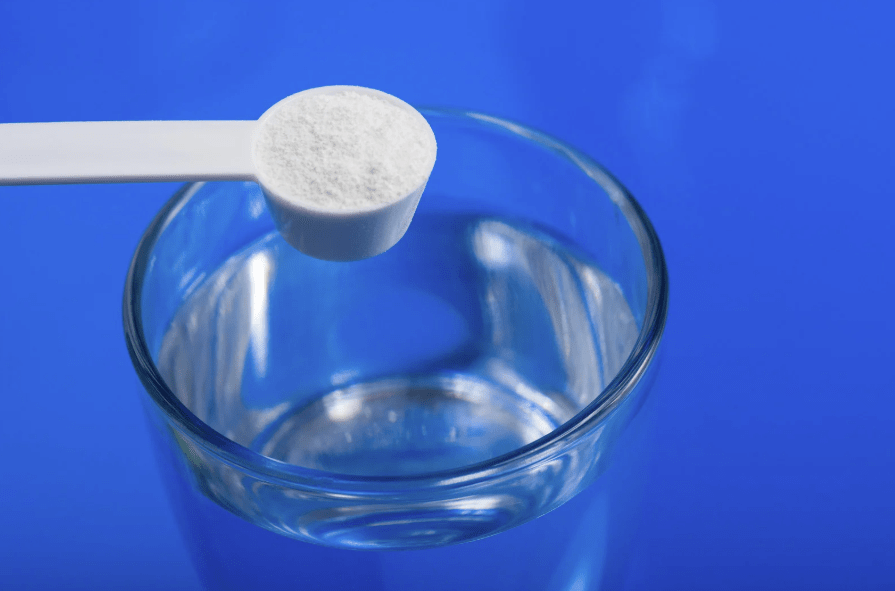
Daily dose: 3–5 grams of creatine monohydrate.
Loading phase (optional): 20 g/day for 5–7 days, then 3–5 g/day.
Hydration: Drink plenty of water, as creatine draws water into muscle cells.
Safety: Safe for long-term use (5+ years studied). Side effects are minimal and usually limited to water retention.
Best type: Pure creatine monohydrate, ideally third-party tested.
Conclusion
Creatine is a powerful, safe, and effective supplement that benefits both men and women of all ages. From enhancing strength and recovery to supporting brain health and healthy aging, it remains one of the most reliable supplements in the world of fitness and performance.
Yet, for those with medical needs or under medical supervision, consult your doctor before use.
Ready to Try Creatine?
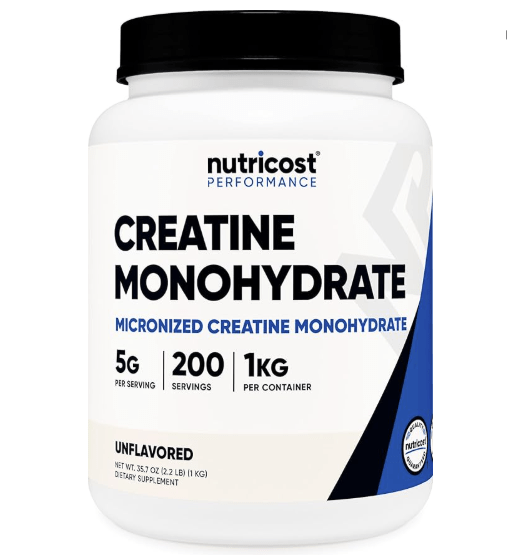
Boost your workouts, recovery, and energy with a high-quality creatine monohydrate supplement. Click below to shop:
As an Amazon Associate, I earn from qualifying purchases.
FAQ
➡️ Is creatine safe for women?
Yes. Women gain similar benefits in strength, lean muscle, and recovery. Side effects are minimal and mainly water retention.
➡️ Will creatine make me bulky?
Not necessarily. Bulk depends on training and diet. Many women use creatine without significant mass gain, while men often see more visible size increases.
➡️ How long until I see results?
Performance improvements often occur within 1–2 weeks; strength and size gains typically appear after 4–6 weeks of consistent use with training.
➡️ Do I need to cycle creatine?
No. Daily creatine use (3–5 g/day) is safe and effective long-term. Cycling is optional and not supported by strong evidence.
➡️ Can creatine help with recovery?
Yes. Creatine reduces muscle damage, improves recovery between workouts, and helps lower injury risk when mixed with proper training.
Do you ever feel tired, weak, or frustrated because your body doesn’t look or feel as strong as you’d like? Many people think that building muscle requires expensive supplements or endless hours at the gym. The truth is, you can build muscle naturally at home using the right combination of protein-rich natural foods, Creatine: a well-researched supplement, simple bodyweight exercises, and the right hydration.
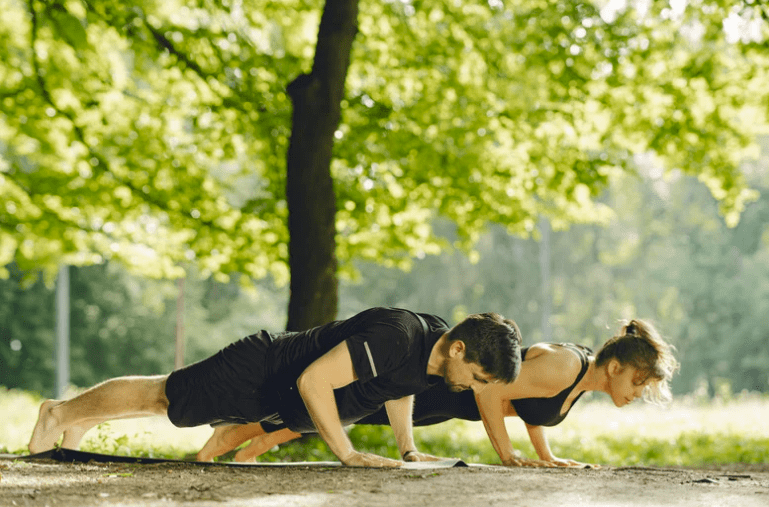
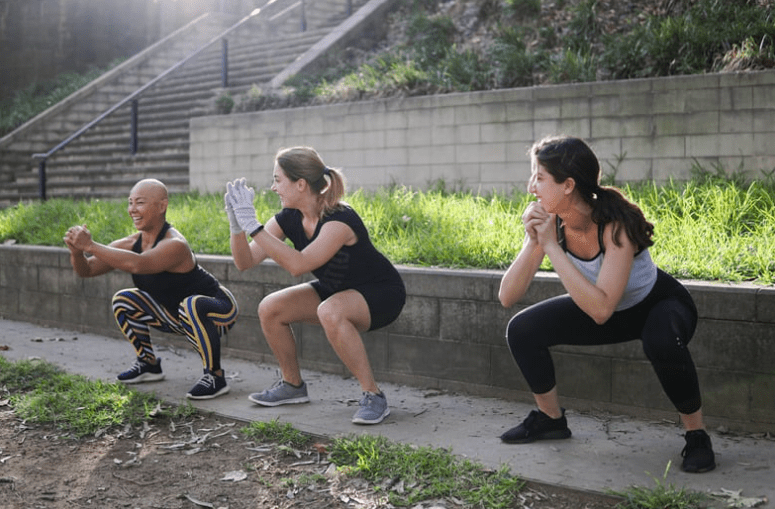
This guide will show you 10 high-protein foods with exact protein amounts and 10 at-home exercises to help you gain muscle, improve strength, and boost your energy naturally—all without complicated routines.
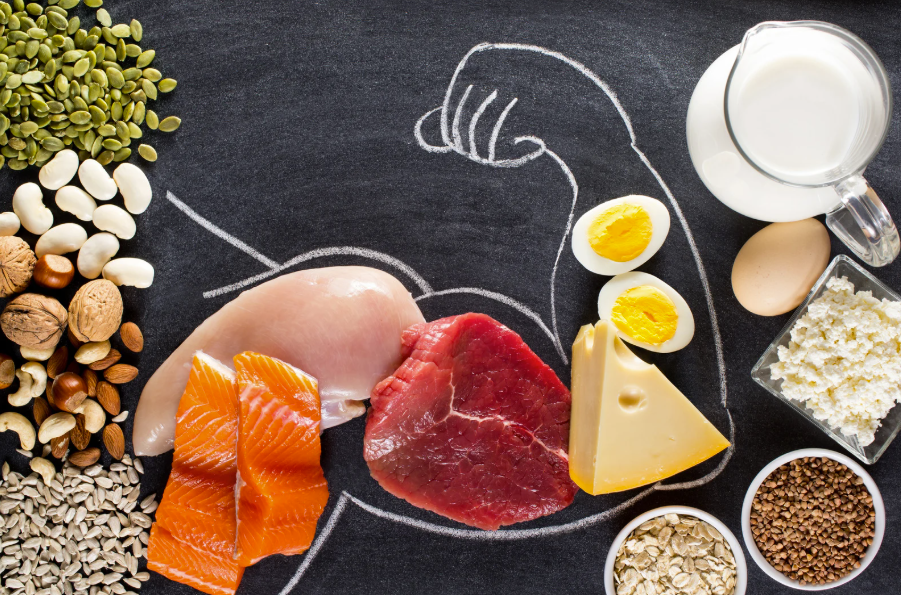
⚜️ 10 Protein-Rich Natural Foods to Build Muscle (with Protein Content)
1. Eggs – 6 g per large egg: Rich in amino acids for muscle repair. ✅ Recommended: 2–3 eggs per day for most adults.
2. Greek Yogurt – 10 g per 100 g (about ½ cup): Excellent for muscles and bone health. ✅ Recommended: 150–200 g daily as a snack or breakfast.
3. Quinoa – 8 g per cooked cup (185 g): A complete plant-based protein. ✅ Recommended: 1 cup cooked per day as a side dish or salad base.
4. Lentils – 9 g per 100 g cooked: Great plant protein with fiber for digestion. ✅ Recommended: ½–1 cup per day in soups, salads, or bowls.
5. Chickpeas – 8 g per 100 g cooked: Versatile and filling. ✅ Recommended: ½ cup daily (as hummus, roasted snack, or salad).
6. Chicken Breast – 31 g per 100 g cooked: One of the leanest, most efficient proteins. ✅ Recommended: 100–150 g daily for muscle support.
7. Almonds – 6 g per 28 g (about 23 almonds) : Provides protein and healthy fats. ✅ Recommended: 1 handful (30 g) daily as a snack.
8. Cottage Cheese – 11 g per 100 g : Slow-digesting casein protein for overnight repair. ✅ Recommended: ½–1 cup in the evening or post-workout.
9. Black Beans – 9 g per 100 g cooked: Protein and iron to fight fatigue. ✅ Recommended: ½ cup daily added to meals.
10. Tofu – 10 g per 100 g : Soy-based, plant protein that’s highly versatile. ✅ Recommended: 100–150 g daily in stir-fries, soups, or salads.
⚡Pro tip: For best results, spread your protein intake evenly throughout the day rather than eating it all at once.
⚖️ How Much Protein Do You Need by Age?
Adults 19–50 years: 0.8–1.0 g of protein per kg of body weight daily 👉🏼Example: a 65 kg woman = 52–65 g protein/day
Adults 50+ years: 1.0–1.2 g per kg body weight (to maintain muscle mass and prevent weakness) 👉🏼 Example: a 65 kg woman = 65–78 g protein/day
Active adults/fitness goals: Up to 1.4–2.0 g per kg body weight 👉🏼 Example: a 65 kg woman training regularly = 90–120 g protein/day
⚡ Tip: Balance protein intake with enough water—hydration is key for muscle repair and energy.
💥 Creatine: The Powerhouse Supplement for Muscle Growth & Performance
Creatine monohydrate is among the most extensively studied and effective supplements available, offering a dependable boost to resistance training outcomes, recovery, and overall performance.
What Is Creatine and How It Works
Creatine is a naturally occurring compound synthesized in the body and stored mostly in skeletal muscle as phosphocreatine (PCr). It plays a vital role in regenerating ATP — the primary energy molecule used during short bursts of high-intensity exercise Wikipedia.
Proven Benefits for Muscle and Strength
Research consistently shows that creatine supplementation — especially when paired with resistance training — significantly enhances muscle strength and performance:
A meta-analysis showed creatine plus training increased strength improvements by ~8% vs. training alone (20% vs. 12%), and boosted weightlifting performance by ~14% (26% vs. 12%) PubMed.
A 2024 systematic review found that in adults under 50, creatine delivered an additional ~4.4 kg upper-body strength gain and ~11.4 kg lower-body gain compared to placebo MDPI.
Benefits Across Age Groups
Creatine enhances muscle mass, strength, and functional abilities in older adults (50+) when combined with resistance training BioMed CentralSan Francisco Chronicle.
Evidence also suggests reductions in body fat percentage among older adults using creatine supplements BioMed Central.
Performance and Recovery Advantages
Creatine helps replenish ATP, enhancing muscle performance during high-intensity, anaerobic activities like sprints and lifting HealthlineHarvard HealthWikipedia.
It supports muscle cell hydration and possibly lowers myostatin levels—fostering muscle growth Healthline.
💫Cognitive, Metabolic, and Long-Term Benefits
Emerging studies show creatine may offer benefits beyond muscle:
It helps reduce mental fatigue and improve cognitive performance during sleep deprivation and stress Nature.
Additional research links creatine to improved brain energy levels, neuroprotection, heart health, mood, and longevity at modest costs Business InsiderGQ.
Safety & Dosing Guidelines
Creatine monohydrate is safe for long-term use (up to 5 years), with minimal side effects beyond possible mild water retention Verywell Health+1.
Enhance your strength, recovery, and long-term well-being with a trusted, third-party tested creatine monohydrate supplement. Click below to explore reliable options on Amazon:
⚡ Pro tip: Start with 3 sets of 10–12 reps, increasing as you progress.
🔋Build Strength and Energy Naturally
With the right balance of protein-rich foods, a helpful supplement like creatine, and simple at-home exercises, your body will get stronger, your energy will rise, and your confidence will shine.
➡️But remember: muscles need water to grow and recover. Hydration is one of the most overlooked keys to fitness success.
That’s why I wrote my book, “The Secret is in the Water.” In it, I reveal how water transforms energy, mood, and overall health—making it the missing piece in most people’s muscle-building journey.
In our modern world, stress has become a constant companion. Whether it’s work pressure, emotional overwhelm, or just the endless noise of life, we often look for solutions in supplements, stimulants, or complicated wellness routines.
But what if one of the most powerful, science-backed, and natural solutions was already flowing through your home?
💧 Water isn’t just hydration—it’s energy. It’s clarity. It’s healing.
Drawing on the insights from my ebook The Power Is in the Water and combining ideas from Good Energy: How to Boost Your Energy and You’re Not Sick, You’re Thirsty, I’m here to show you how a simple shift in your hydration habits can radically transform your energy, reduce your stress, and reconnect you to your natural vitality.
🧠 1. Hydration Boosts Mental Calm & Clarity
Even 1-2% dehydration can increase cortisol—the body’s primary stress hormone. When your brain doesn’t get enough water, it becomes more reactive, foggy, and anxious. Hydration literally helps you think more clearly and feel more grounded.
A 2012 study published in the Journal of Nutrition found that mild dehydration caused significant mood disturbances, fatigue, and difficulties with concentration—even in healthy young adults.
⚡ 2. Water Powers Your Cellular Energy
Your body produces energy (ATP) in the mitochondria—and water is critical in that process. From the lens of Good Energy, water acts as a “spark plug” for every cell. When you’re underhydrated, your cells can’t make enough energy, no matter how much sleep or food you get.
🧬 3. Water Helps Clear Stress Hormones
Your liver and kidneys detox your system—but only if they have the right hydration and minerals to do the job. Without enough water, adrenaline, cortisol, and other stress-related compounds linger longer in your body, making you feel restless, tired, and edgy.
🌿 4. Water Amplifies Vibration, Emotion & Healing
In The Power Is in the Water, I explore how water stores energy and intention—backed by research on structured water and its electromagnetic resonance. Water can be “programmed” through thought, sound, and frequency. This means the way you drink—calmly, mindfully, gratefully—can shift your internal vibration and relieve emotional tension.
🥤 5. Daily Water Rituals to Lower Stress and Raise Energy
Want real results? Try this today:
Morning Reset: 500ml warm water + pinch of sea salt + slow breathing
Hydration Rhythm: 250ml every 90 minutes (set a gentle reminder)
Emotional Boost: Add lemon, mint, or even a drop of magnesium for nervous system support
Energy Shift: Before drinking, hold your water, breathe, and speak an intention into it
These simple practices retrain your body to regulate stress and build energy naturally.
✅ Ready to Go Deeper?
If you’re feeling overwhelmed, exhausted, or just “off,” you might not be sick—you might just be dehydrated.
🌀 My ebook, The Power Is in the Water, is a guide to unlocking the energetic, emotional, and scientific truth about hydration—so you can reclaim your vitality from the inside out.
Ever wake up feeling exhausted—even after a full 8 hours of sleep? You’re not alone. If you’ve been struggling with low energy, brain fog, or mornings that feel heavier than they should, this post is for you.
Not to give you a strict routine. Not to add more pressure. But to gently offer a better way to rest—one that feels natural, doable, and rooted in real healing.
Let’s talk about what could be going on and the tiny, free habits that help. Then I’ll give you a recipe for a relaxing bath, share a few tools from Amazon that I personally use to support deeper sleep.
🌙 A Gentle Night Routine for Real Rest (No Perfection Needed)
You don’t need to overhaul your life. Just try one or two of these soothing habits tonight:
🕯️ Slow the Evening Down
Dim the lights early—think cozy and soft.
Unplug from screens 20–30 minutes before bed if possible.
Step outside for a minute of fresh air—even standing under the stars can calm your nervous system.
🫖 Soothe Your Body
Sip a warm herbal tea like chamomile or lemon balm.
Take a quick bath or foot soak with Epsom salt if you have it.
Rub some oil or lotion into your hands, feet, or shoulders—simple, grounding, relaxing. (Check below my DIY Epsom Salt Soak👇🏼🍃)
🌱 Reset Your Sleep Space
Crack the window if the air feels stuffy.
Keep a small plant or calming photo nearby.
Use a sleep mask or hang a scarf over a lamp to soften light.
🛍️ Gentle Sleep Tools I Use and Love (Amazon Picks)
When I started focusing more on my rest, a few small purchases made a big difference. You don’t need everything—but if you’re curious, these are worth checking out:
🕶️ Blue light blocking glasses – helps ease into sleep after screen time → See on Amazon
🌸 Essential oil diffuser + lavender oil – makes the room feel spa-like → See on Amazon
🛏️ Blackout curtains – total game-changer for deep rest → See on Amazon
Aromatherapy Essential Oil Diffuser with Lavender Oils
👉🏼 Disclaimer: As an Amazon Associate, I earn from qualifying purchases
🧠 Why Managing Stress Is Essential for Sleep
Even if you’re in bed for hours, your body might still feel “on.” That’s often due to cortisol, the stress hormone.
When stress stays high into the evening, cortisol doesn’t drop the way it should. And that keeps your nervous system alert and wired, blocking deep sleep.
🧪 Research shows that high nighttime cortisol can cause:
Trouble falling or staying asleep
Light, fragmented sleep
Waking up groggy or foggy the next day (Sources: NIH, Sleep Foundation)
But small, natural routines like warm lighting, herbal tea, and calming scents can help lower cortisol levels gently—signaling to your body: it’s safe to rest now.
💛 Just Start With What Feels Good
You don’t need to be perfect. You don’t need a 10-step plan.
Try just one soft, caring change tonight. Let it become a little signal to your body that it’s safe, loved, and ready to heal.
And if you try something from this post—routine or product—I’d love to hear how it goes. 💬 Wishing you your most peaceful night in a long time. 🌙
This post began with a simple curiosity: How do high achievers and successful people make time for fitness? I discovered that their secret isn’t just discipline—it’s energy. The kind that fuels a productive day, meaningful conversations, and restful sleep. Ever wondered what time millionaires hit the gym, what kind of workouts they choose, and how they maintain that seemingly endless vitality? Let’s dive in.
The answer is simpler (and more powerful) than you think:
They treat energy as their #1 business strategy.
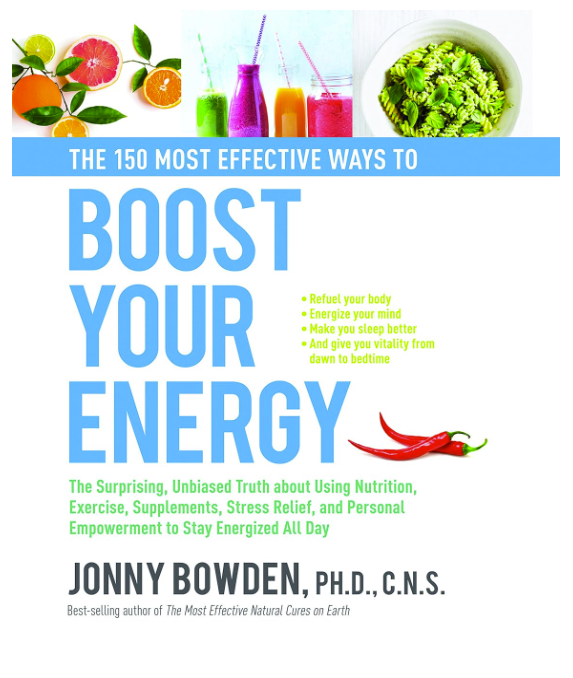
In this post, you’ll discover real examples, science-backed tips from Jonny Bowden’s Boost Your Energy, and a simple morning routine you can start today.
⏰ What Time Do Millionaires Work Out?
Most millionaires and high achievers train early in the morning, usually between 4:30 AM and 6:30 AM.
They believe:
✨“If you win the morning, you win the day.”
This early ritual creates mental clarity, discipline, and a strong sense of control before the world starts demanding their attention.
📍 Where Do They Work Out? (Real Examples)
Here are real routines from some of today’s wealthiest and most productive people:
⚡Tim Cook (Apple CEO) – Private gym, 5:00 AM – Cardio + weight training
⚡The Rock (Dwayne Johnson) – “Iron Paradise” at 4:00 AM – Heavy lifting + HIIT
⚡Richard Branson – Prefers outdoor sports like tennis, kitesurfing, and cycling
⚡David Grutman (Miami, FL) – Trains at Anatomy Gym with a coach
Looking to crush your fitness goals in Texas? I’ve compared four popular gyms—Crunch Fitness, LA Fitness, VillaSport, and Life Time—based on price, amenities, and overall vibe. Whether you’re all about luxury, family-friendly features, or budget-conscious gains, there’s a gym here for you.
Full-service spa and salon (services like massage are extra)
👟 Ideal For: Families and social gym-goers who value variety and amenities in a clean, upscale environment.
✨My tip: I love the fact that the outdoor pool and whirlpool are always available, the saunas are super clean, and they serve cold towels. The cycling class “The Trip” is seriously amazing. They also offer Pickleball classes and teams.
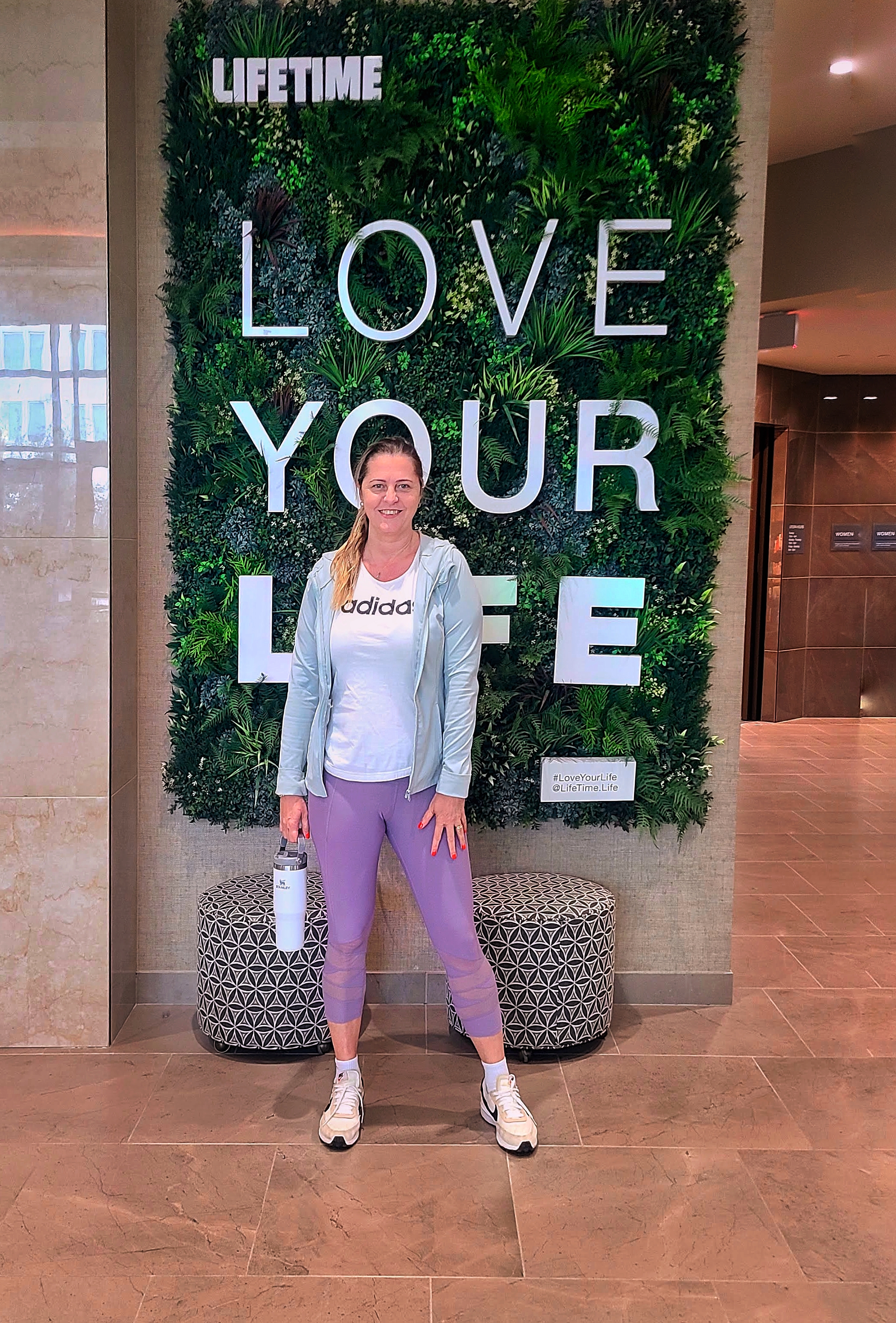
🏆 Life Time: The All-Inclusive Wellness Resort
💰 Membership Cost: Starting at $149/month (Standard), $179/month (Signature)
🔥 Amenities:
Cutting-edge fitness equipment
Group classes: yoga, cycling, strength
Indoor/outdoor pools and whirlpools
Cedarwood saunas and eucalyptus steam rooms
Climbing wall, basketball, racquet sports
Child care services
Luxurious locker rooms with towels, shampoo, conditioner, deodorant
Recovery Amenities:
HydroMassage chairs: Dry massage chairs using high-pressure water jets to relieve muscle tension.
CryoLounge+ chairs: Combine cold and heat therapy for targeted muscle recovery.
RelaxSpace Wellness Pods: Multi-sensory experience for stress reduction.
Chiropractic Services:
LifeClinic Chiropractic & Rehabilitation: Offers chiropractic services within Life Time facilities.
👟 Ideal For: Those who see fitness as a lifestyle and want everything under one luxurious roof.
✨My tip: Some locations include 💦cold plunge pools at over 70 of its athletic country clubs across the U.S., with the rollout expected to be completed by summer 2025. I have tried once and found it amazing. These cold plunge pools are part of the saunas, steam rooms, and whirlpools.
🎽 My Go-To Fitness Gear
These items keep me motivated, stylish, and on track for the gym:
Natural health is booming in 2025, and for good reason. More people are looking for simple, effective ways to feel better without relying on synthetic drugs or complicated routines. Whether you’re into herbs, healing foods, or natural pain relief, this guide will walk you through the most searched (and loved) trends from around the world right now.
Let’s dive into the best ways to support your health — naturally.
🌿 1. Herbal Remedies People Can’t Stop Searching For
🌻Stress Relief with Adaptogens
Feeling overwhelmed? You’re not alone. Herbs like ashwagandha, holy basil, and rhodiola are nature’s chill pills. They help your body adapt to stress and feel more balanced.
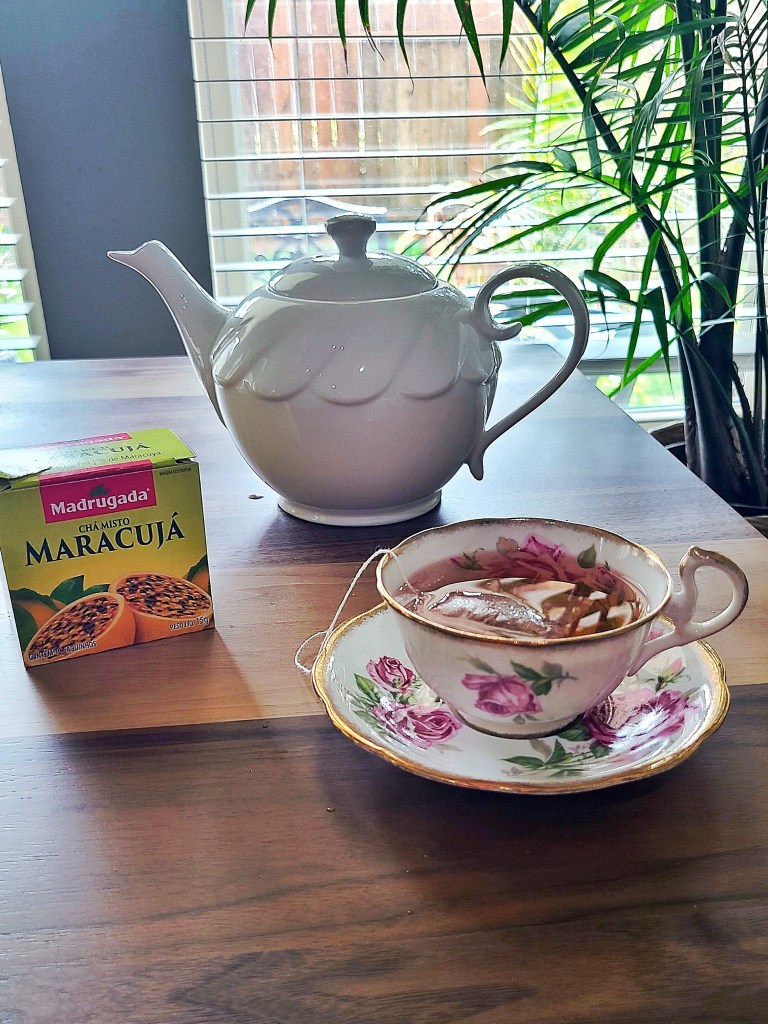
Can’t sleep or wind down at night? Chamomile, Passionfruit tea, lavender, and valerian root are go-to herbal relaxers.
Passionflower is native to the southeastern United States and Central and South America. It’s been traditionally used to help with sleep. People use passion flower for anxiety, including anxiety before surgery. Some people also take passion flower for insomnia, stress, high pressure, and many other conditions.
Turmeric and ginger aren’t just for cooking — they’re powerful anti-inflammatories that help with joint and muscle pain. Boswellia is another herb getting attention for natural pain relief without side effects. Frankincense is a hardened gum-like material (resin) that comes from the trunk of the Boswellia tree. People use its oil on the skin and in aromatherapy
Frankincense oil seems to kill some types of bacteria and fungi (yeasts). It is commonly used as a fragrance in soaps, lotions, and perfumes. Researchers believe that frankincense can prevent the release of leukotrienes, compounds that can cause inflammation. Terpenes, including boswellic acid, appear to be the strongest anti-inflammatory compounds in frankincense.
In 2025, gut health = total health. Prebiotic and probiotic foods like sauerkraut, kombucha, and chicory root are all over search engines. They’re known to boost digestion and support the brain-gut connection.
Low-Sugar, Plant-Based Eating
Many are cutting down on sugar and loading up on plant-based foods. Natural sweeteners like monk fruit, and dates are trending.
People are choosing holistic options because they work — and they’re often safer, gentler, and more sustainable. From Asia’s ancient herbal wisdom to modern science-backed supplements in the West, natural healing is truly global.
In 2025, it’s easier than ever to take care of your health naturally. Whether you’re just starting out or already living the natural lifestyle, adding a few of these herbs or foods into your routine can make a big difference.
🛍️ Where to Start?
Want to try some of the most searched natural products of the year? Here’s a simple list to get started:


































 Nara Anholete | Natural Living