
Creatine monohydrate is one of the most studied supplements in sports nutrition. It’s not just for bodybuilders — it benefits both men and women by supporting performance, muscle growth, recovery, brain health, and even longevity.
In this post, we’ll explore all the benefits, share stories of famous athletes who use creatine, cover safe dosing, and answer common questions.
What Is Creatine?
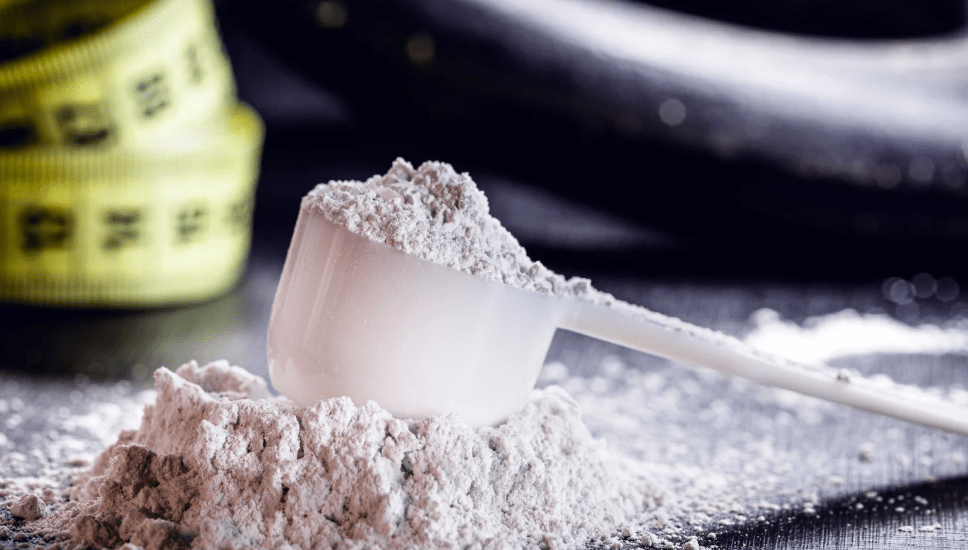
Creatine is a compound produced naturally in the body and found in foods such as meat and fish. Your muscles store it as phosphocreatine, which helps regenerate ATP (adenosine triphosphate) — the primary energy currency for high-intensity activity like lifting, sprinting, and HIIT. Supplementing increases creatine stores, enabling better workouts, faster recovery, and improved performance.
Benefits of Creatine for Men and Women

- Strength & Power: Supports heavier lifts, sprints, and explosive movements. Research shows creatine can improve strength by 8–14%.
- Muscle Growth: Enhances training volume and intensity; promotes cell hydration for muscle hypertrophy.
- Recovery: Reduces muscle breakdown and speeds recovery between workouts.
- For Women: Improves lean muscle without “bulk,” supports bone health, boosts energy and focus.
- For Men: Enhances power and performance, helps preserve testosterone indirectly by improving recovery.
- Brain Benefits: Supports memory, focus, and reduces mental fatigue.
- Aging & Longevity: Helps older adults maintain strength and independence; lowers sarcopenia risk.

Famous Athletes Who Use Creatine
- Linford Christie (Olympic Sprinter): Used creatine before winning gold in the 1992 Olympics 100m sprint.
- Colin Jackson & Sally Gunnell: British track stars who incorporated creatine in elite training phases.
- Mark McGwire (Baseball): Reported to have used creatine alongside legal supplements during his MLB career.
- Michael Johnson (Track & Field Legend): Cited among elite athletes benefiting from creatine for sprinting and explosive power.

Dosage & Safety
- Daily dose: 3–5 grams of creatine monohydrate.
- Loading phase (optional): 20 g/day for 5–7 days, then 3–5 g/day.
- Hydration: Drink plenty of water, as creatine draws water into muscle cells.
- Safety: Safe for long-term use (5+ years studied). Side effects are minimal and usually limited to water retention.
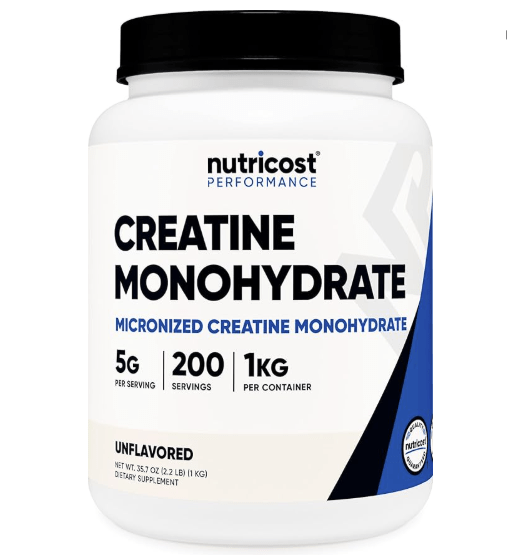
- Best type: Pure creatine monohydrate, ideally third-party tested.

Conclusion
Creatine is a powerful, safe, and effective supplement that benefits both men and women of all ages. From enhancing strength and recovery to supporting brain health and healthy aging, it remains one of the most reliable supplements in the world of fitness and performance.
Yet, for those with medical needs or under medical supervision, consult your doctor before use.

Ready to Try Creatine?
Boost your workouts, recovery, and energy with a high-quality creatine monohydrate supplement. Click below to shop:
➡️ Shop Trusted Creatine Monohydrate on Amazon
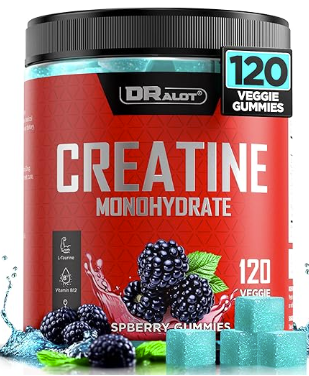
➡️ Shop the Bestseller: Creatine Monohydrate Gummies
As an Amazon Associate, I earn from qualifying purchases.
FAQ
➡️ Is creatine safe for women?
Yes. Women gain similar benefits in strength, lean muscle, and recovery. Side effects are minimal and mainly water retention.
➡️ Will creatine make me bulky?
Not necessarily. Bulk depends on training and diet. Many women use creatine without significant mass gain, while men often see more visible size increases.
➡️ How long until I see results?
Performance improvements often occur within 1–2 weeks; strength and size gains typically appear after 4–6 weeks of consistent use with training.
➡️ Do I need to cycle creatine?
No. Daily creatine use (3–5 g/day) is safe and effective long-term. Cycling is optional and not supported by strong evidence.
➡️ Can creatine help with recovery?
Yes. Creatine reduces muscle damage, improves recovery between workouts, and helps lower injury risk when mixed with proper training.
 Nara Anholete | Natural Living