
Discover how natural probiotics like sauerkraut, kimchi, and chimichurri can improve digestion and gut health. Learn their benefits and try a delicious vegan probiotic bowl recipe with recommended Amazon products.

🌱 What Are Natural Probiotics?
Probiotics are live microorganisms that promote gut health when consumed regularly. They help balance the gut microbiome, aid digestion, and strengthen the immune system. Fermented foods are among the best natural sources of probiotics because they also provide enzymes, vitamins, and prebiotic fiber.
🥬 The Power of Fermented Foods
Fermentation has been used for centuries to preserve food and enhance flavor. During fermentation, beneficial bacteria convert sugars into lactic acid — creating tangy, probiotic-rich foods that support gut health.
Let’s look at three probiotic heroes: Sauerkraut, Kimchi, and Chimichurri.
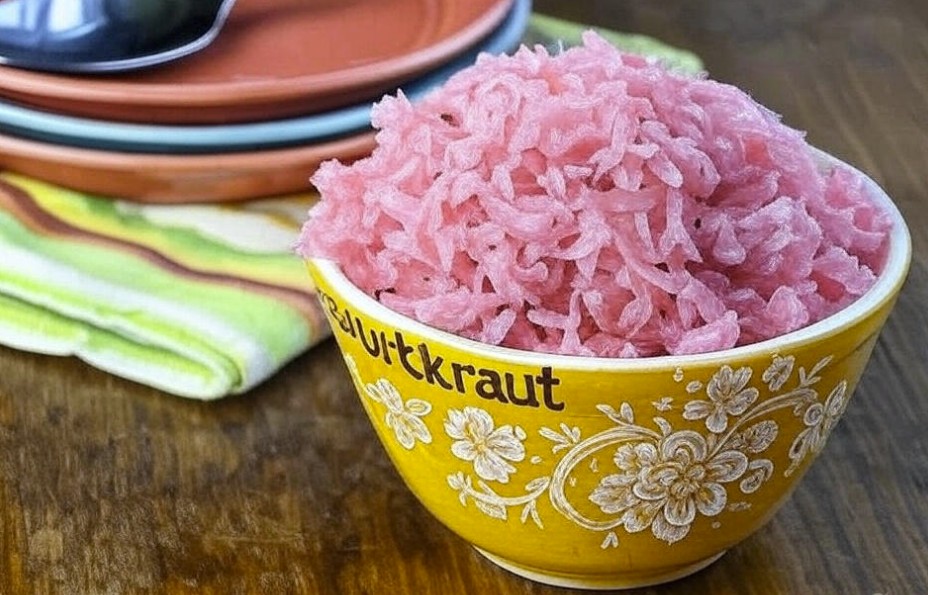
🥢 1. Sauerkraut (Chucrut)
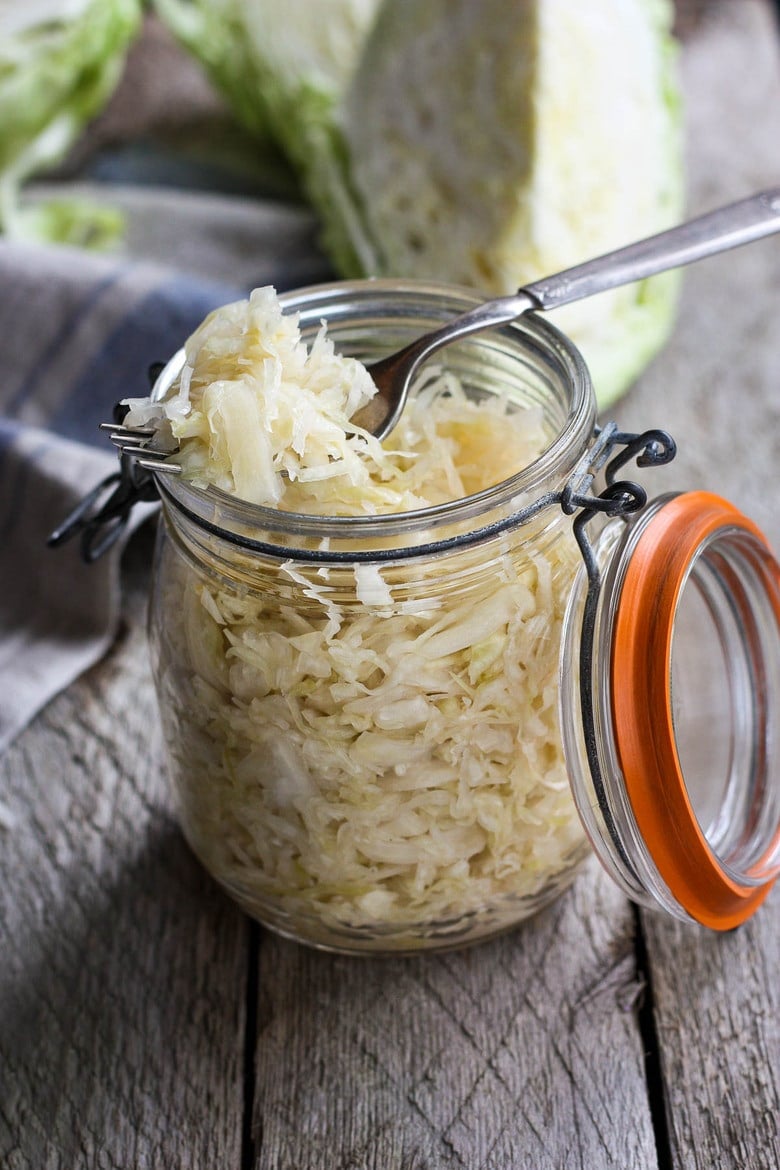
Origin: Germany
Main ingredient: Shredded cabbage fermented with salt
Benefits: Aids digestion, supports immunity, rich in vitamins C and K.
👉 Shop Wildbrine Organic Sauerkraut on Amazon
🌶️ 2. Kimchi
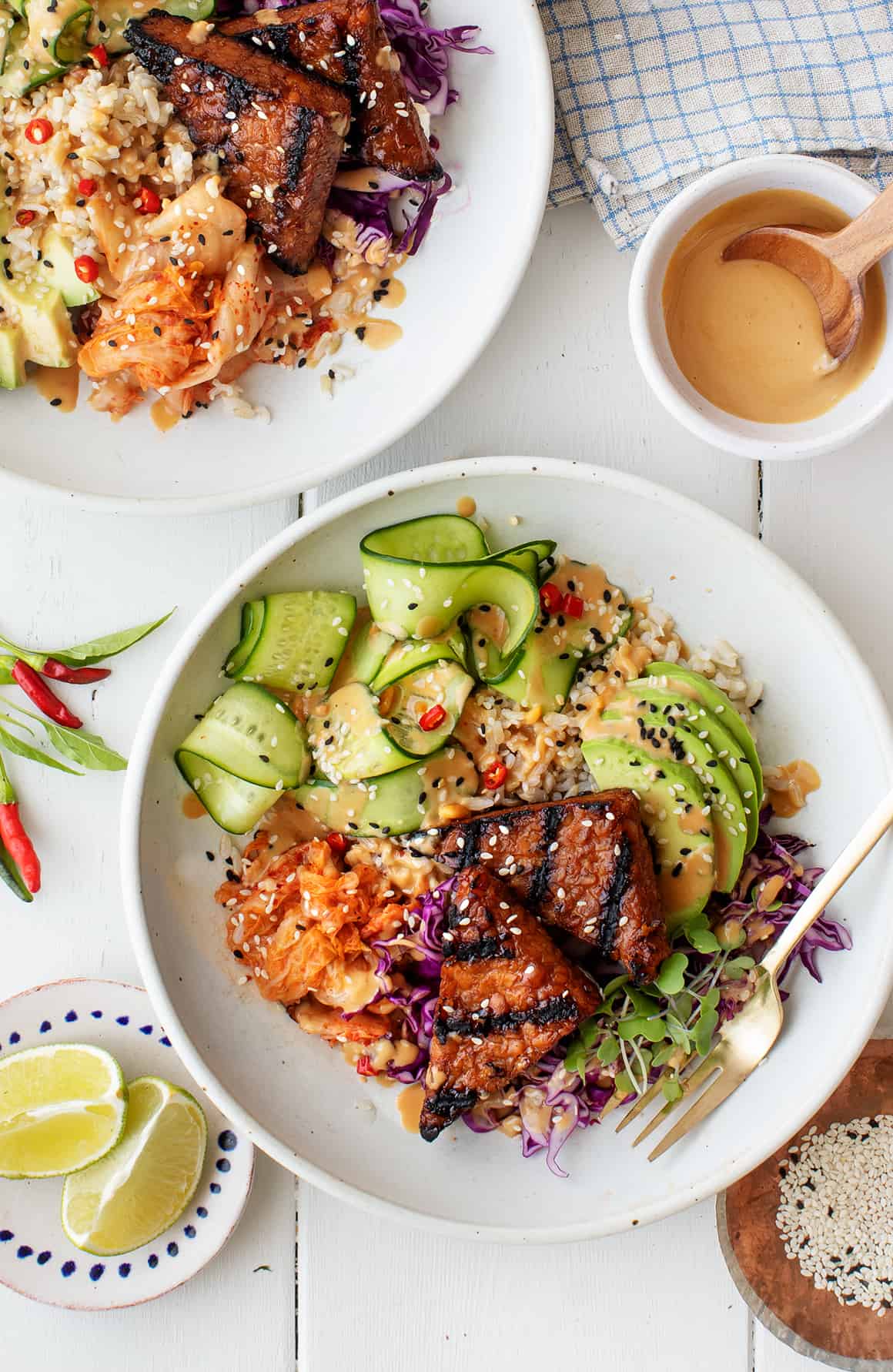
Origin: Korea
Main ingredients: Napa cabbage, radish, garlic, ginger, chili
Benefits: Boosts metabolism, supports immunity, full of antioxidants.
👉 Shop Mother In Law’s Vegan Kimchi on Amazon
🌿 3. Chimichurri (Fermented Twist)
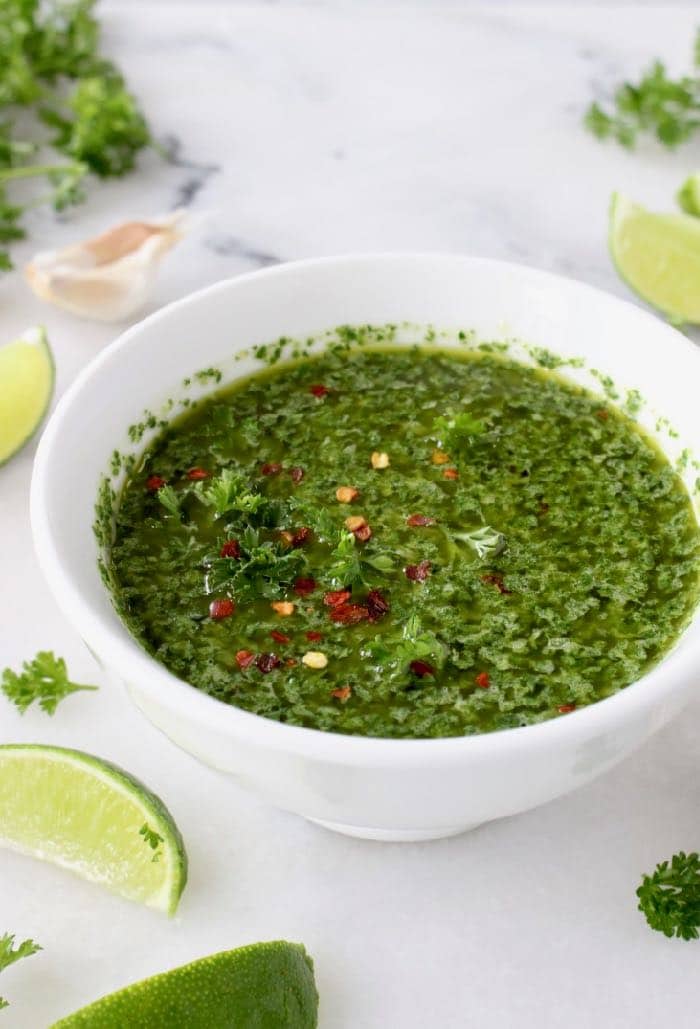
Traditional chimichurri isn’t fermented, but you can create a probiotic version by letting it sit covered at room temperature for 12–24 hours before refrigerating.
Benefits: Fresh herbs + light fermentation = a flavorful, gut-friendly sauce!
👉 Shop Bragg Apple Cider Vinegar “with the Mother” on Amazon
🥗 Simple Vegan Probiotic Bowl Recipe
Prep time: 15 minutes | Fermentation time: 12–24 hours (optional) | Serves: 2
🧂 Ingredients
- 1 cup raw shredded cabbage
- 1 tbsp sea salt
- ½ cup vegan kimchi
- 2 tbsp olive oil
- 2 tbsp apple cider vinegar
- ½ cup chopped parsley + ¼ cup chopped oregano
- 2 garlic cloves, minced
- 1 tsp red pepper flakes (optional)
- 1 cup cooked quinoa or brown rice
- 1 cup mixed greens (spinach, arugula)
- Optional: cherry tomatoes, cucumber, roasted chickpeas
🍴 Instructions
- Quick Sauerkraut: Massage cabbage with salt for 3 minutes, pack into a jar, and let ferment 12–24 hours at room temp before refrigerating.
- Fermented Chimichurri: Mix herbs, garlic, olive oil, vinegar, red pepper, and salt. Let sit covered for 6–12 hours, then refrigerate.
- Assemble the Bowl: Layer quinoa, greens, sauerkraut, kimchi, and chimichurri. Add optional toppings.
- Enjoy! A colorful, probiotic-rich vegan meal.
💊 Recommended Vegan Probiotic Products
If you’re not in the mood to cook, these are perfect for keeping up with your busy lifestyle.
| Product | Highlights | Avg. Rating |
|---|---|---|
| Future Kind Vegan Probiotic Supplement | 30 Billion CFU, 8 probiotic strains, plant-based | ⭐ 4.5 |
| PlantFusion Vegan Probiotic 35 Billion CFU | Prebiotic blend, gluten-free, dairy-free | ⭐ 4.5 |
| DEVA Nutrition Vegan Probiotic Caps | Affordable, 90 capsules per bottle | ⭐ 4.7 |
📚 Learn More
- The Korean Vegan Cookbook
- Fermentation: How to Make Your Own Sauerkraut & Kimchi
- The Farmhouse Culture Guide to Fermenting
⚠️ A Quick Note
Fermented foods are generally safe, but if you have digestive sensitivities or immune-related conditions, start slowly and consult your healthcare provider. Not all “fermented” supermarket products contain live cultures — look for unpasteurised or raw on the label.
🌼 Final Thoughts
Adding probiotic-rich foods like sauerkraut, kimchi, and fermented chimichurri to your diet can improve digestion, immunity, and overall gut health — all while adding delicious flavor and color to your meals. Try the vegan probiotic bowl recipe above and see how nourishing gut care can be!
Disclaimer: This article is for informational purposes only and not medical advice. Always consult your healthcare provider before making major dietary changes.
⚖️ Affiliate Disclosure
As an Amazon Associate, I earn from qualifying purchases. This means that if you click on some of the product links in this post and make a purchase, I may receive a small commission — at no extra cost to you. I only recommend products I personally use, trust, or believe will add value to my readers.




 Nara Anholete | Natural Living