
Ever wake up feeling exhausted—even after a full 8 hours of sleep?
You’re not alone. If you’ve been struggling with low energy, brain fog, or mornings that feel heavier than they should, this post is for you.
Not to give you a strict routine. Not to add more pressure.
But to gently offer a better way to rest—one that feels natural, doable, and rooted in real healing.
Let’s talk about what could be going on and the tiny, free habits that help. Then I’ll give you a recipe for a relaxing bath, share a few tools from Amazon that I personally use to support deeper sleep.

🌙 A Gentle Night Routine for Real Rest (No Perfection Needed)
You don’t need to overhaul your life. Just try one or two of these soothing habits tonight:
🕯️ Slow the Evening Down
- Dim the lights early—think cozy and soft.
- Unplug from screens 20–30 minutes before bed if possible.
- Step outside for a minute of fresh air—even standing under the stars can calm your nervous system.
🫖 Soothe Your Body
- Sip a warm herbal tea like chamomile or lemon balm.
- Take a quick bath or foot soak with Epsom salt if you have it.
- Rub some oil or lotion into your hands, feet, or shoulders—simple, grounding, relaxing. (Check below my DIY Epsom Salt Soak👇🏼🍃)
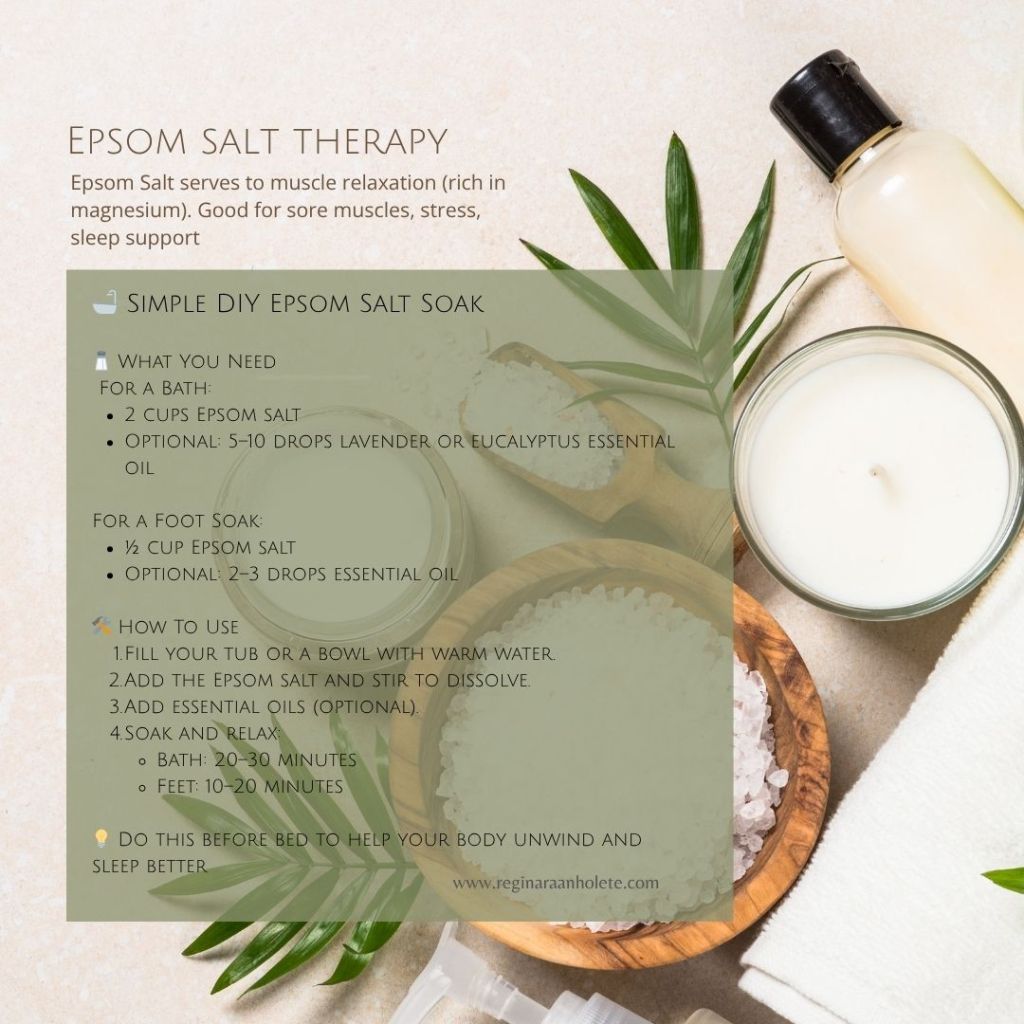
🌱 Reset Your Sleep Space
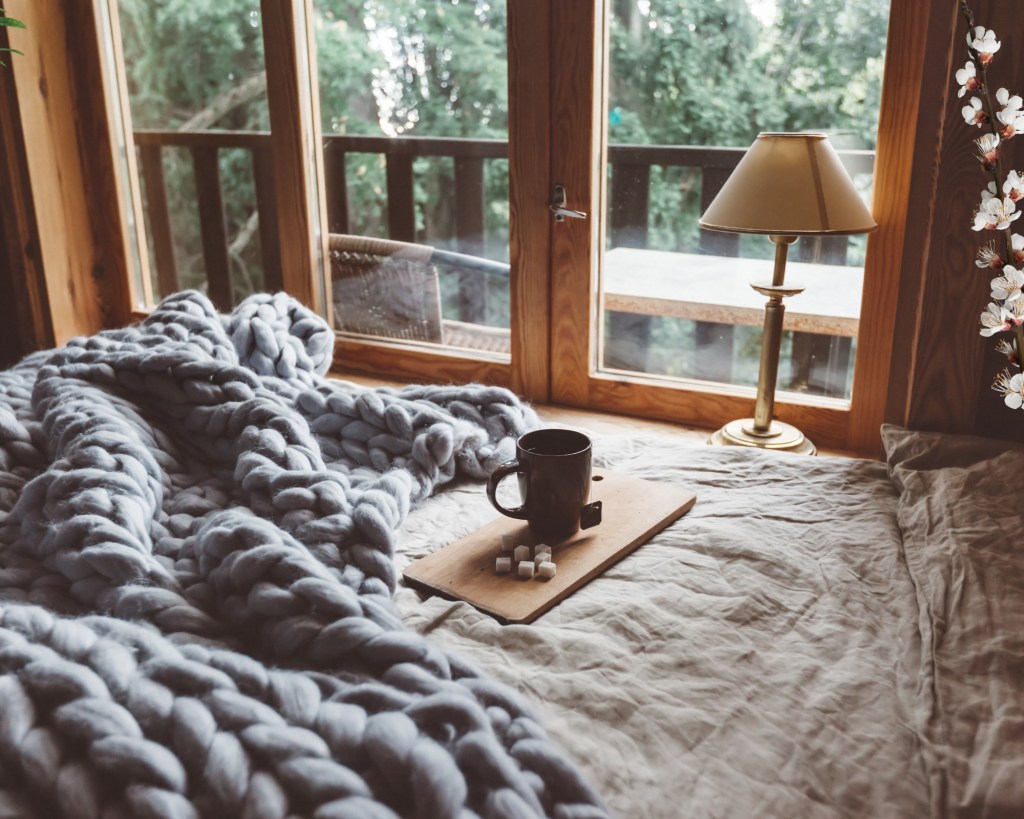
- Crack the window if the air feels stuffy.
- Keep a small plant or calming photo nearby.
- Use a sleep mask or hang a scarf over a lamp to soften light.
🛍️ Gentle Sleep Tools I Use and Love (Amazon Picks)
When I started focusing more on my rest, a few small purchases made a big difference. You don’t need everything—but if you’re curious, these are worth checking out:
- 🕶️ Blue light blocking glasses – helps ease into sleep after screen time → See on Amazon
- 🌸 Essential oil diffuser + lavender oil – makes the room feel spa-like → See on Amazon
- 🛏️ Blackout curtains – total game-changer for deep rest → See on Amazon
- 🧴 Magnesium supplement (natural) – helped reduce restlessness → See the Best Seller : Magnesium (Glycinate)
- 💫 Smart Ring with Sleep Apnea Monitoringtracker – helped me spot what was affecting my sleep → World’s First Smart Ring with Sleep Apnea Monitoring

👉🏼 Disclaimer: As an Amazon Associate, I earn from qualifying purchases
🧠 Why Managing Stress Is Essential for Sleep
Even if you’re in bed for hours, your body might still feel “on.” That’s often due to cortisol, the stress hormone.
When stress stays high into the evening, cortisol doesn’t drop the way it should. And that keeps your nervous system alert and wired, blocking deep sleep.
🧪 Research shows that high nighttime cortisol can cause:
- Trouble falling or staying asleep
- Light, fragmented sleep
- Waking up groggy or foggy the next day
(Sources: NIH, Sleep Foundation)
But small, natural routines like warm lighting, herbal tea, and calming scents can help lower cortisol levels gently—signaling to your body: it’s safe to rest now.
💛 Just Start With What Feels Good
You don’t need to be perfect. You don’t need a 10-step plan.
Try just one soft, caring change tonight. Let it become a little signal to your body that it’s safe, loved, and ready to heal.
And if you try something from this post—routine or product—I’d love to hear how it goes. 💬
Wishing you your most peaceful night in a long time. 🌙

 Nara Anholete | Natural Living